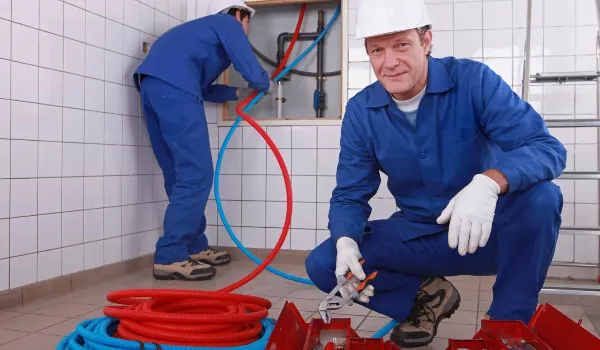
A slab leak can begin quietly: lower water pressure at the shower, a warm or damp patch on tile, discoloured water from a faucet, or the sound of water moving after every fixture is off. Emergency Plumber Richardson can investigate these warning signs before moisture reaches baseboards or flooring. A leak under a concrete slab may waste water continuously, even when there is no visible puddle near a pipe.
A slow drain or running toilet can often wait for a scheduled repair if there is no overflow, but unexplained damp flooring, banging pipes, no hot water, or a sudden water-pressure drop should not. Shut off the main supply if water is pooling, a ceiling or wall becomes wet, or the meter keeps moving with all taps closed. Fast detection limits damage to concrete, wood flooring, and nearby supply lines.
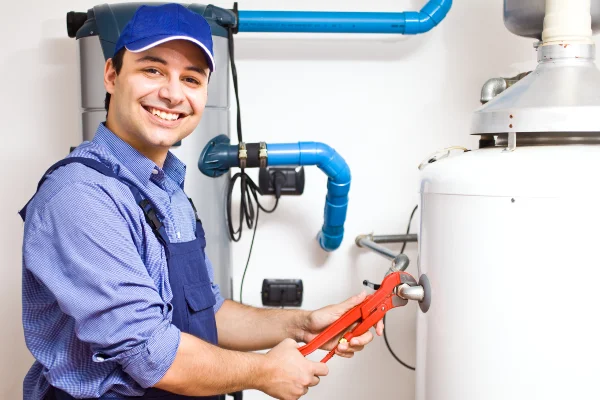
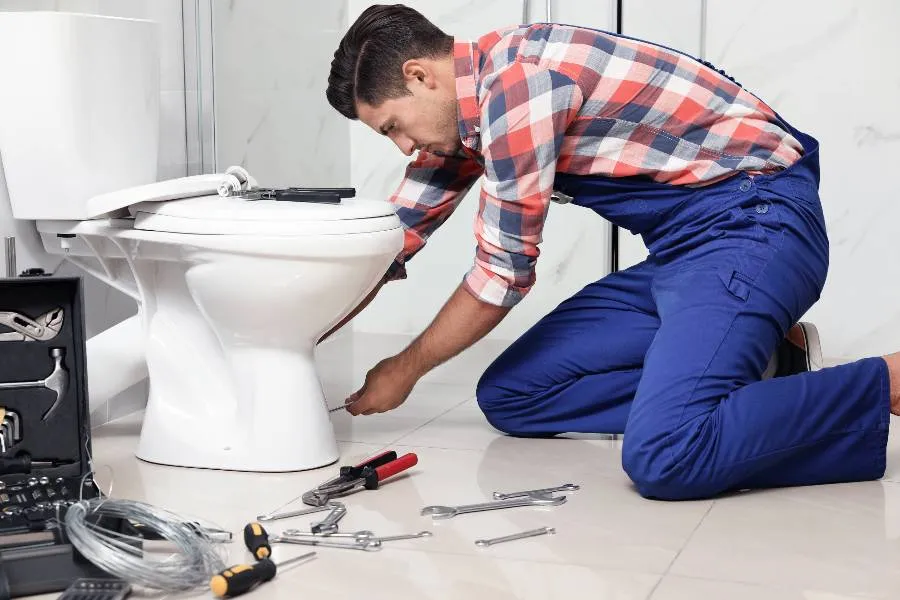
The visit usually starts by checking the water meter, shut-offs, valves, pressure regulator, and exposed supply lines. The plumber isolates sections of the supply and performs pressure testing to see whether a line loses pressure. Fixtures may be re-seated if a toilet, faucet, or valve is the actual source. A camera inspection through cleanouts can also rule out a cracked drain line, blocked trap, or sewer issue that creates similar moisture symptoms.
Learn more about our expert Tankless Water Heater Installation services.
Once the leak area is narrowed down, the repair method depends on the pipe and access. Copper joints may require soldering, while damaged sections can be rerouted around the slab. Hydro jetting is used only if camera work finds a drain obstruction, not as a cure for a pressurized slab leak. Components such as tanks, thermostats, and anode rods may be checked during related tankless water heater installation or hot-water diagnostics, then the repaired line is pressure tested again.
A 1960s home with original copper beneath a thick concrete slab presents different choices than a newer house with PEX supply lines in accessible walls. Tile, hardwood, landscaping, and the location of the meter all affect access. Once testing begins, corrosion, multiple pinhole leaks, or shifting soil may change the scope. Opening one small area of flooring can be sensible, while repeated breaks through a slab may create more disruption than rerouting a line.
Learn more about our expert Toilet Replacement services.
Material decisions also affect how long a repair remains practical. Replacing one corroded copper joint may buy roughly two years if nearby pipe walls are thinning, whereas replacing or rerouting a failing run with modern piping can serve the system for 15 years or more under normal conditions. Summer soil movement, winter pipe stress, and high water pressure influence the choice. Related work, such as toilet replacement, may expose worn shut-off valves or supply connections that should be addressed at the same time.
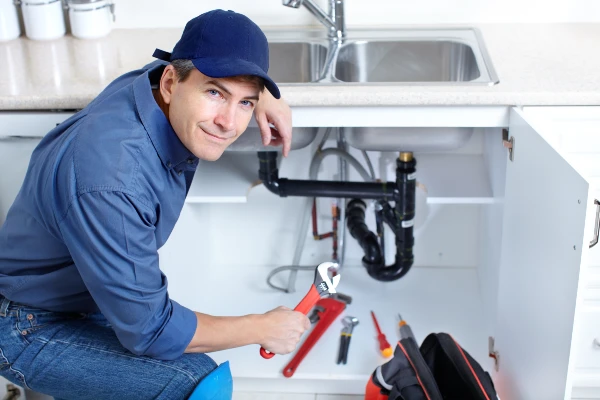
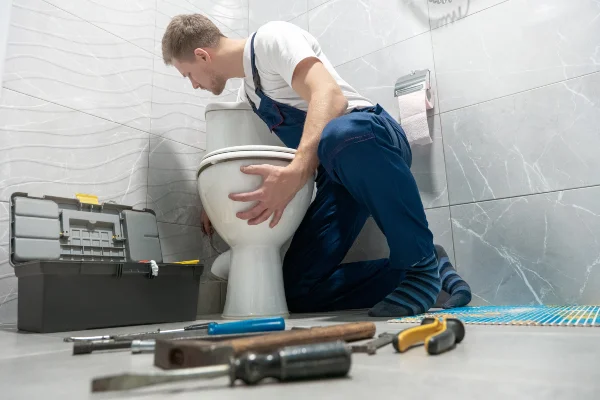
Ask how the contractor will confirm a slab leak before opening concrete or flooring. A useful explanation should cover meter testing, pressure testing, listening equipment, and camera inspection where a drain line is suspected. Request an estimate that separates leak detection, access work, pipe repair, restoration exclusions, permits if needed, and disposal of removed concrete or flooring. It should identify the proposed pipe material, the affected supply line, and any assumptions about hidden damage.
Before approving repairs, ask what alternatives exist if the pipe is difficult to reach: spot repair, rerouting, or replacing a larger section. A clear contractor explains why a valve, pressure regulator, or shut-off may need replacement and what happens if pressure testing reveals another weak line. For a Richardson, TX home, also discuss protection for flooring, where water will be shut off, and whether hot water will be unavailable during the repair.
EMERGENCY PLUMBER RICHARDSON
901 S Central Expy, Richardson, TX 75080
(469) 557-8848
info@emergencyplumberrichardson.com
Hours of Operation
Open 24 Hours